
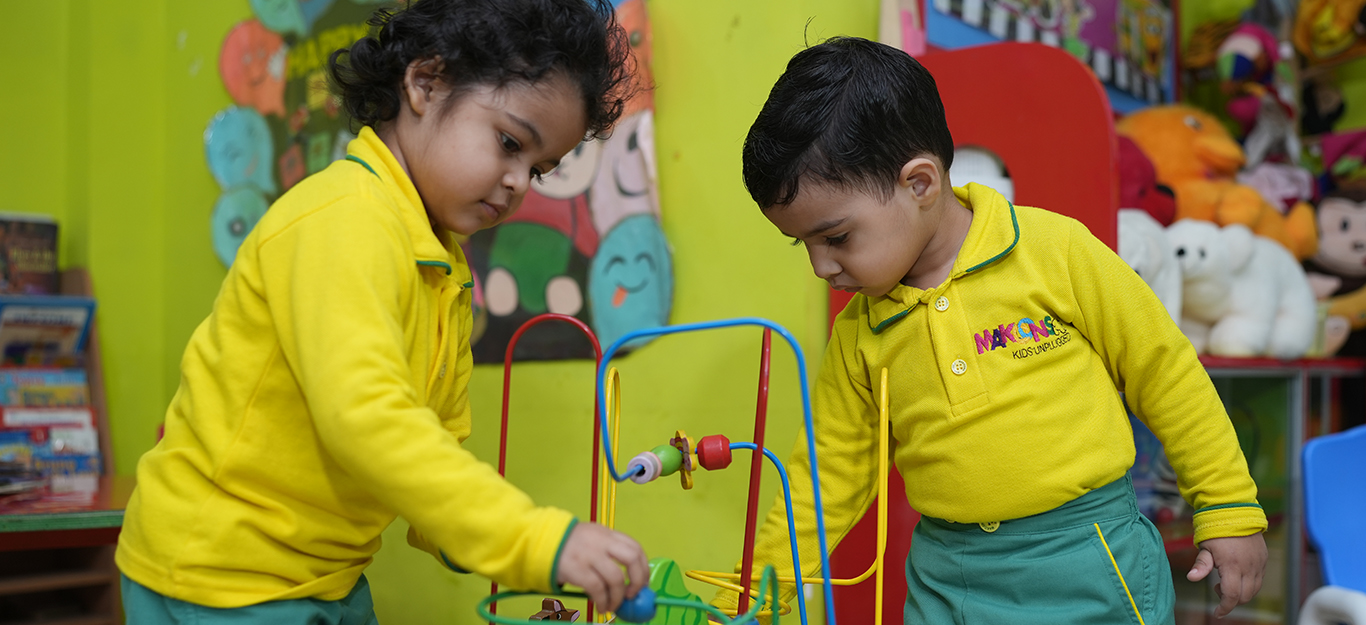
Choosing the right preschool in India is essential for establishing a solid foundation in early childhood education. The top 10 preschool in India combine safe environments, skilled teachers, and diverse curricula such as Montessori and play-based learning methods to support holistic development.
These preschools are recognized for their balanced approach to learning, integrating creativity, academics, and social skills to prepare young children for future academic success and personal growth. They also focus on fostering curiosity and confidence while adapting to various learning styles.
Parents seeking quality early education will find these institutions provide not only academic readiness but also nurturing spaces designed to build emotional and cognitive skills. This article explores the leading preschools in India that deliver a comprehensive start for young learners.
Top 10 Preschools in India
The top preschools in India are recognized for combining academic foundations, creative approaches, and safe environments. They prioritize early learning through experienced faculty and flexible curricula suited to different developmental needs and regional preferences.
Ranked List of Top Preschools
The ranking includes well-established preschool chains and independent institutions excelling in academic quality, infrastructure, and child-centric pedagogy. Schools like EuroKids, Kangaroo Kids, and Podar Jumbo Kids frequently appear at the top for their consistent delivery of play-based learning and holistic development.
These preschools often blend Indian cultural values with international teaching methods. Many offer bilingual instruction and incorporate technology to enhance interactive learning. The ranking is dynamic, reflecting ongoing improvements and parental feedback.
Selection Criteria for Ranking
Preschools are evaluated on several core factors. First, curriculum quality is critical; top preschools use frameworks supporting cognitive, social, and emotional growth. Faculty qualifications and experience heavily influence rankings, emphasizing trained educators skilled in early childhood development.
Safety standards and infrastructure also weigh in, ensuring secure, child-friendly spaces. Parental involvement programs factor into rankings, highlighting schools that engage families in the learning process. Diversity in teaching methods and attention to individual learning styles further distinguish the highest-ranked preschools.
Location-Wise Distribution
Leading preschools are concentrated in major cities like Delhi NCR, Mumbai, Bengaluru, and Chennai, where demand and resources for quality early education are highest. Metropolitan areas often offer broader curricular choices and advanced facilities.
Smaller cities are seeing growth in preschool options, with franchises expanding to meet rising awareness of early childhood education. Regional preferences affect school language options and extracurricular priorities, reflecting local culture and community needs. This geographical spread provides parents with varied options depending on their location.
How to Choose the Best Preschool
Selecting a preschool requires careful attention to what shapes a child’s growth and safety. Factors like teaching quality, learning approach, and environment play decisive roles in nurturing early development.
Key Factors to Consider
Parents should evaluate the experience and qualifications of the faculty, as skilled teachers contribute to building a strong educational foundation. The level of parent involvement encouraged by the school also matters; active collaboration supports consistent learning.
The school’s reputation and feedback from other parents provides insight into its effectiveness and environment. Location convenience is practical but should not outweigh educational quality or safety standards.
Lastly, consider the school’s size and teacher-student ratio to ensure personalized attention. Smaller groups often allow better monitoring and support for each child’s specific needs.
Curriculum and Teaching Methods
The curriculum must promote holistic development, balancing cognitive, social, and emotional skills. A mix of play-based and structured learning helps children engage actively while building foundational knowledge.
Look for preschools incorporating modern teaching techniques, such as inquiry-based learning or Montessori methods, which encourage curiosity and independent thinking. The curriculum should be adaptable to diverse learning styles and inclusive of creative activities like art and music.
Focus on how the preschool measures progress. Schools with regular assessments and clear learning objectives offer transparent tracking of a child’s development over time.
Facilities and Safety Standards
A preschool’s physical environment should be secure and child-friendly, with clean, well-maintained indoor and outdoor spaces. Safety measures like gated compounds, CCTV surveillance, and trained staff for emergencies are essential.
Facilities should support various activities, including play areas, rest zones, and learning corners, catering to different developmental needs. Accessibility to hygienic toilets and clean drinking water is crucial.
Medication policies and health protocols show how the school prioritizes wellbeing. Emergency response readiness and background checks on all staff add another layer of security that parents should verify before enrollment.